Currently Reading:
Our Collaboration with Julian Cross
01
01
01
Our Collaboration with Julian Cross
When Julian Cross approached ORVANE, it wasn’t about scripts or schedules, it was about the story that deserved to be told.
Author:
James Everett
Date:
May 12, 2025
Read Time:
4 min
Category:
Collabration
When Julian Cross first reached out to ORVANE, the conversation didn’t begin with scripts, budgets, or schedules—it began with a single question: “Which story deserves to be lived on screen next?” That moment set the tone for a collaboration guided not by constraints, but by curiosity, trust, and a shared commitment to craft. For two teams shaped by a deep love of visual storytelling, the partnership felt less like a professional introduction and more like a reunion of aligned creative philosophies.
From the very beginning, Julian and our team approached the project as an exploration rather than a predetermined destination. Ideas first appeared on whiteboards, in voice notes, and in half-formed sketches that felt too raw to dismiss. We built a flexible framework that allowed these sparks of inspiration to breathe—creating space for improvisation, experimentation, and the unexpected. Every team member, from camera operators to editors, felt empowered to step beyond their comfort zones, test new methods, and question assumptions without hesitation. As the project unfolded, our workflows began to merge in ways that blurred the lines between actor and crew: Julian’s instincts informed camera movement and lighting, while our editors shaped the rhythm of his performance in post-production. What began as a collaboration gradually evolved into a creative ecosystem—one where ideas flowed freely and without ego.
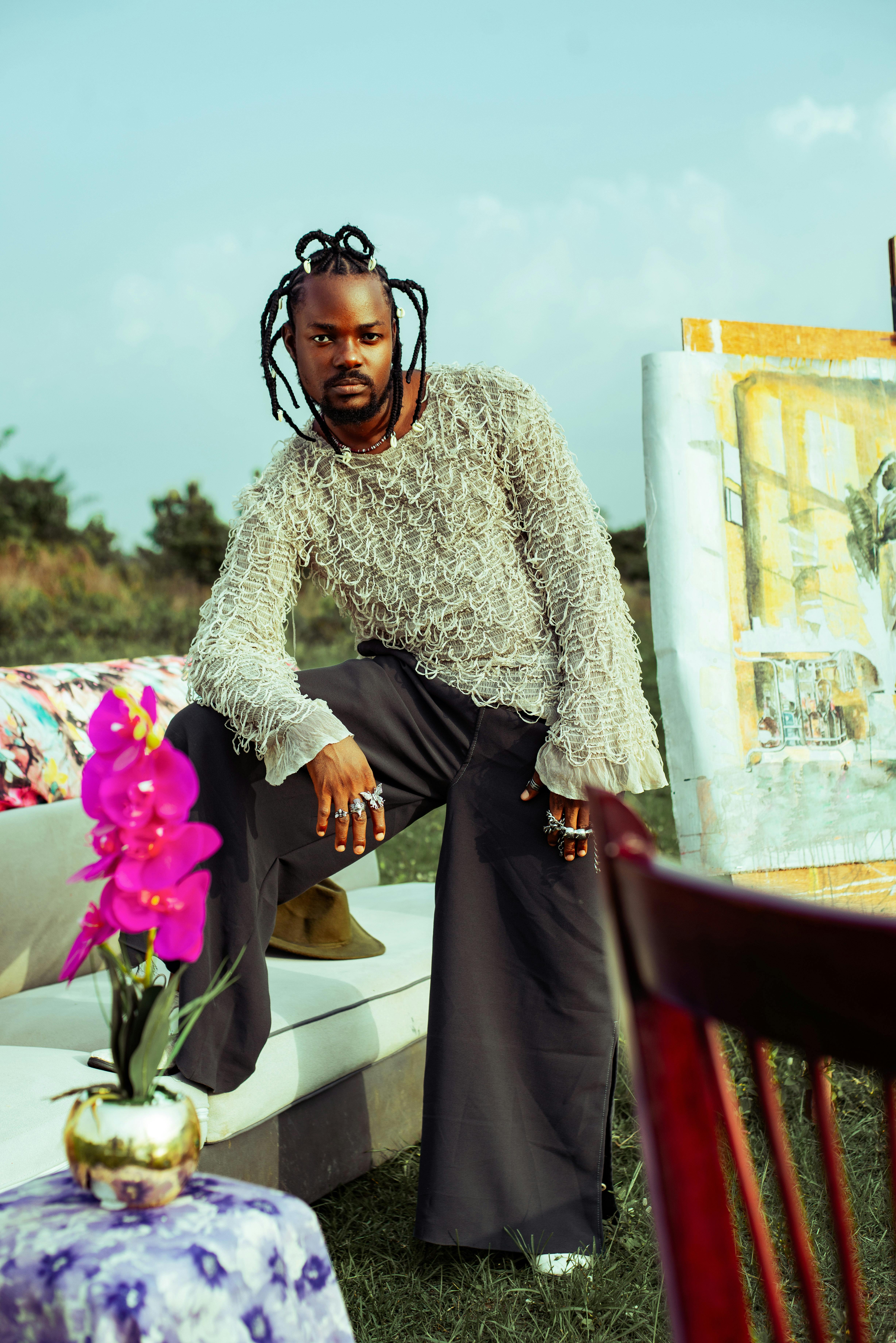
One of the defining elements of working with Julian was his dedication to authentic performance. He didn’t aim for spectacle or theatrics; he sought truth, emotion, and moments that felt lived-in. Our cameras lingered on the quiet gestures as much as the dramatic ones—small glances, subtle shifts in posture, the almost imperceptible catch of breath. Between takes, we captured the gentle play of light across his face, the rhythm of movement in the room, and the fleeting, delicate details that would later shape the visual and emotional language of the film. Even the simplest interactions carried weight, contributing to a layered, immersive experience for the audience.
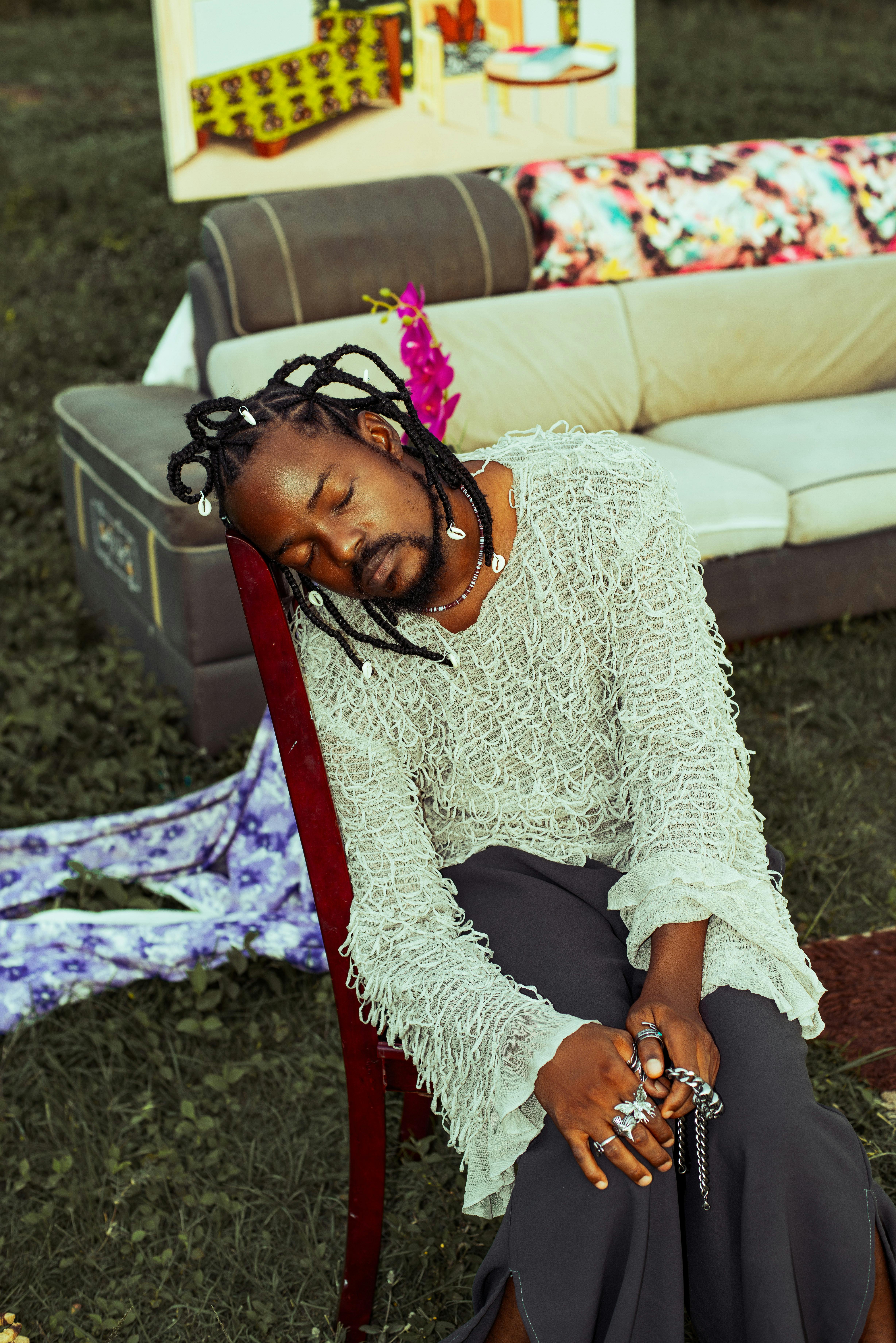
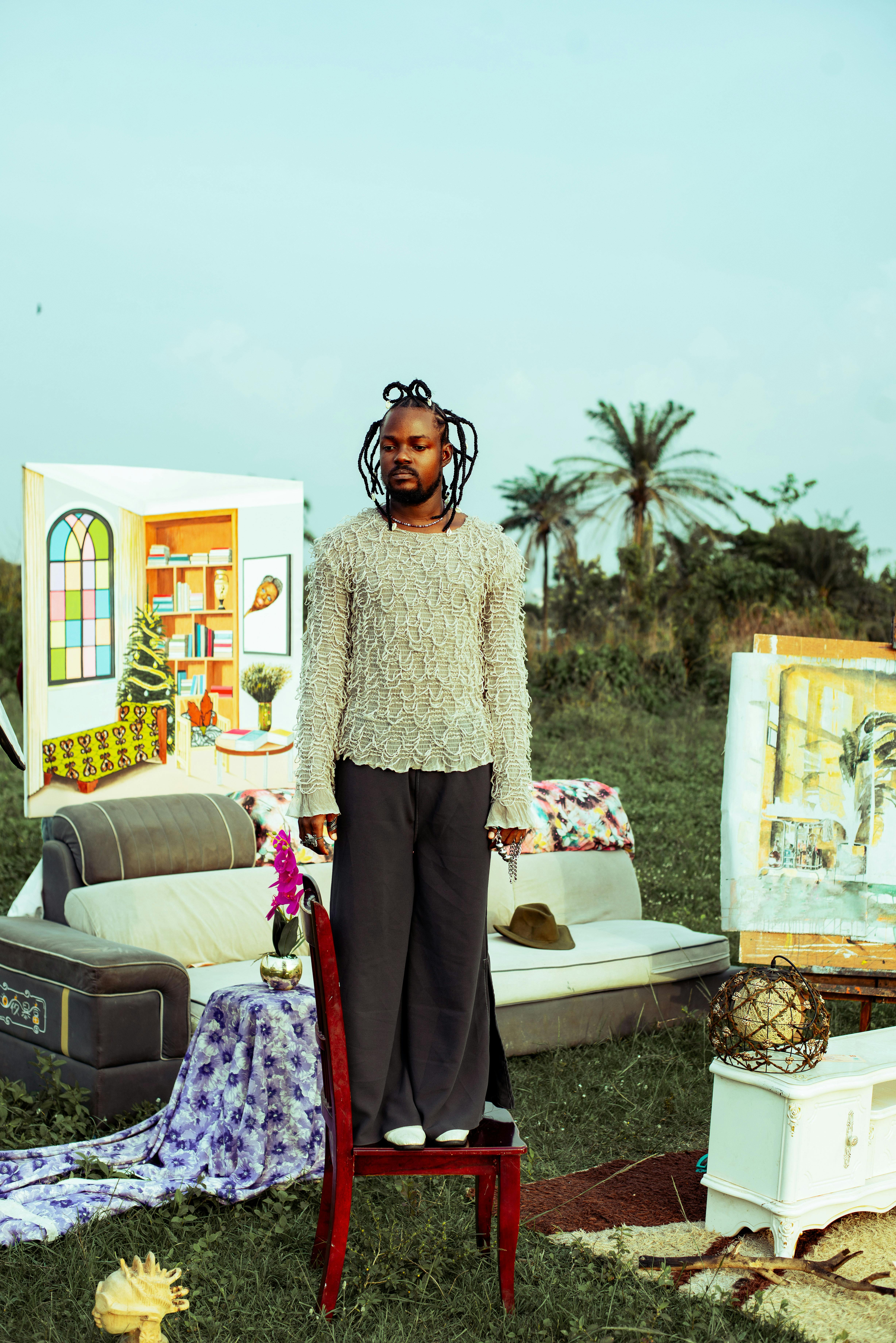
Beyond the set, the collaboration became a study in trust and dialogue. Ideas that might once have been dismissed as too risky were explored openly; feedback traveled in every direction, from actor to cinematographer, editor to sound designer. Julian embraced the process with curiosity, patience, and a willingness to challenge himself—a generosity that set the tone for the entire team. Our daily rehearsals, improvised takes, and late-night editing sessions weren’t just work—they were moments of shared discovery that brought the story to life in ways none of us could have anticipated alone.
Looking back, the partnership with Julian Cross produced more than a film we’re collectively proud of. It reaffirmed our belief that the most powerful stories emerge from trust, collaboration, and a willingness to explore beyond the obvious. As the film prepares for its premiere, it carries with it the fingerprints of every member of the team and the singular vision of an actor willing to journey into the unknown. It’s a reminder that when collaboration is treated as a craft of its own, the possibilities are limitless.
Currently Reading:
Our Collaboration with Julian Cross
01
01
01
Our Collaboration with Julian Cross
When Julian Cross approached ORVANE, it wasn’t about scripts or schedules, it was about the story that deserved to be told.
Author:
James Everett
Date:
May 12, 2025
Read Time:
4 min
Category:
Collabration
When Julian Cross first reached out to ORVANE, the conversation didn’t begin with scripts, budgets, or schedules—it began with a single question: “Which story deserves to be lived on screen next?” That moment set the tone for a collaboration guided not by constraints, but by curiosity, trust, and a shared commitment to craft. For two teams shaped by a deep love of visual storytelling, the partnership felt less like a professional introduction and more like a reunion of aligned creative philosophies.
From the very beginning, Julian and our team approached the project as an exploration rather than a predetermined destination. Ideas first appeared on whiteboards, in voice notes, and in half-formed sketches that felt too raw to dismiss. We built a flexible framework that allowed these sparks of inspiration to breathe—creating space for improvisation, experimentation, and the unexpected. Every team member, from camera operators to editors, felt empowered to step beyond their comfort zones, test new methods, and question assumptions without hesitation. As the project unfolded, our workflows began to merge in ways that blurred the lines between actor and crew: Julian’s instincts informed camera movement and lighting, while our editors shaped the rhythm of his performance in post-production. What began as a collaboration gradually evolved into a creative ecosystem—one where ideas flowed freely and without ego.
One of the defining elements of working with Julian was his dedication to authentic performance. He didn’t aim for spectacle or theatrics; he sought truth, emotion, and moments that felt lived-in. Our cameras lingered on the quiet gestures as much as the dramatic ones—small glances, subtle shifts in posture, the almost imperceptible catch of breath. Between takes, we captured the gentle play of light across his face, the rhythm of movement in the room, and the fleeting, delicate details that would later shape the visual and emotional language of the film. Even the simplest interactions carried weight, contributing to a layered, immersive experience for the audience.
Beyond the set, the collaboration became a study in trust and dialogue. Ideas that might once have been dismissed as too risky were explored openly; feedback traveled in every direction, from actor to cinematographer, editor to sound designer. Julian embraced the process with curiosity, patience, and a willingness to challenge himself—a generosity that set the tone for the entire team. Our daily rehearsals, improvised takes, and late-night editing sessions weren’t just work—they were moments of shared discovery that brought the story to life in ways none of us could have anticipated alone.
Looking back, the partnership with Julian Cross produced more than a film we’re collectively proud of. It reaffirmed our belief that the most powerful stories emerge from trust, collaboration, and a willingness to explore beyond the obvious. As the film prepares for its premiere, it carries with it the fingerprints of every member of the team and the singular vision of an actor willing to journey into the unknown. It’s a reminder that when collaboration is treated as a craft of its own, the possibilities are limitless.
Currently Reading:
Our Collaboration with Julian Cross
01
01
01
Our Collaboration with Julian Cross
When Julian Cross approached ORVANE, it wasn’t about scripts or schedules, it was about the story that deserved to be told.
Author:
James Everett
Date:
May 12, 2025
Read Time:
4 min
Category:
Collabration
When Julian Cross first reached out to ORVANE, the conversation didn’t begin with scripts, budgets, or schedules—it began with a single question: “Which story deserves to be lived on screen next?” That moment set the tone for a collaboration guided not by constraints, but by curiosity, trust, and a shared commitment to craft. For two teams shaped by a deep love of visual storytelling, the partnership felt less like a professional introduction and more like a reunion of aligned creative philosophies.
From the very beginning, Julian and our team approached the project as an exploration rather than a predetermined destination. Ideas first appeared on whiteboards, in voice notes, and in half-formed sketches that felt too raw to dismiss. We built a flexible framework that allowed these sparks of inspiration to breathe—creating space for improvisation, experimentation, and the unexpected. Every team member, from camera operators to editors, felt empowered to step beyond their comfort zones, test new methods, and question assumptions without hesitation. As the project unfolded, our workflows began to merge in ways that blurred the lines between actor and crew: Julian’s instincts informed camera movement and lighting, while our editors shaped the rhythm of his performance in post-production. What began as a collaboration gradually evolved into a creative ecosystem—one where ideas flowed freely and without ego.
One of the defining elements of working with Julian was his dedication to authentic performance. He didn’t aim for spectacle or theatrics; he sought truth, emotion, and moments that felt lived-in. Our cameras lingered on the quiet gestures as much as the dramatic ones—small glances, subtle shifts in posture, the almost imperceptible catch of breath. Between takes, we captured the gentle play of light across his face, the rhythm of movement in the room, and the fleeting, delicate details that would later shape the visual and emotional language of the film. Even the simplest interactions carried weight, contributing to a layered, immersive experience for the audience.
Beyond the set, the collaboration became a study in trust and dialogue. Ideas that might once have been dismissed as too risky were explored openly; feedback traveled in every direction, from actor to cinematographer, editor to sound designer. Julian embraced the process with curiosity, patience, and a willingness to challenge himself—a generosity that set the tone for the entire team. Our daily rehearsals, improvised takes, and late-night editing sessions weren’t just work—they were moments of shared discovery that brought the story to life in ways none of us could have anticipated alone.
Looking back, the partnership with Julian Cross produced more than a film we’re collectively proud of. It reaffirmed our belief that the most powerful stories emerge from trust, collaboration, and a willingness to explore beyond the obvious. As the film prepares for its premiere, it carries with it the fingerprints of every member of the team and the singular vision of an actor willing to journey into the unknown. It’s a reminder that when collaboration is treated as a craft of its own, the possibilities are limitless.