Currently Reading:
Behind the Scenes of Glass Pulse
07
07
07
Behind the Scenes of Glass Pulse
A look into the atmospheric, light-driven visual world behind our short film Glass Pulse, exploring how reflections, distortion, and motion shaped the narrative.
Author:
Adrian Wolfe
Date:
August 12, 2025
Read Time:
7min
Category:
Studio
When we began developing Glass Pulse, we knew the film needed to feel like a heartbeat translated through reflections—fragile, rhythmic, and constantly shifting. The piece follows a character wandering through mirrored environments, where every surface refracts fragments of their memories. To capture this sense of emotional disorientation, we built the film around the idea that the environment itself was alive, reacting to the protagonist as if sensing their internal tension. That meant designing visuals that behaved less like props and more like characters, bending, trembling, and pulsing with intention.
From the very first sketches, the focus was on distortion—how glass can reveal, conceal, or warp a moment depending on how light touches it. Instead of relying solely on digital effects, we constructed several physical glass panels and filmed them under controlled lighting conditions. These tactile distortions became the foundation for our visual language, giving the project a weight and imperfection that CGI alone couldn’t replicate. The interplay between the organic and the digital created a mood that felt both intimate and uncanny, a balance we worked tirelessly to maintain.
During production, lighting became our primary storytelling tool. We treated each scene like a moving sculpture, shaping beams, gradients, and reflections to guide emotion rather than attention. Subtle flickers hinted at unseen internal battles; soft, fractured highlights suggested fading memories; bright pulses symbolized fleeting clarity. Our cinematography team experimented with angles that allowed the glass to behave unpredictably, embracing accidents as creative breakthroughs. The more we surrendered control to the material, the more alive the visuals became.
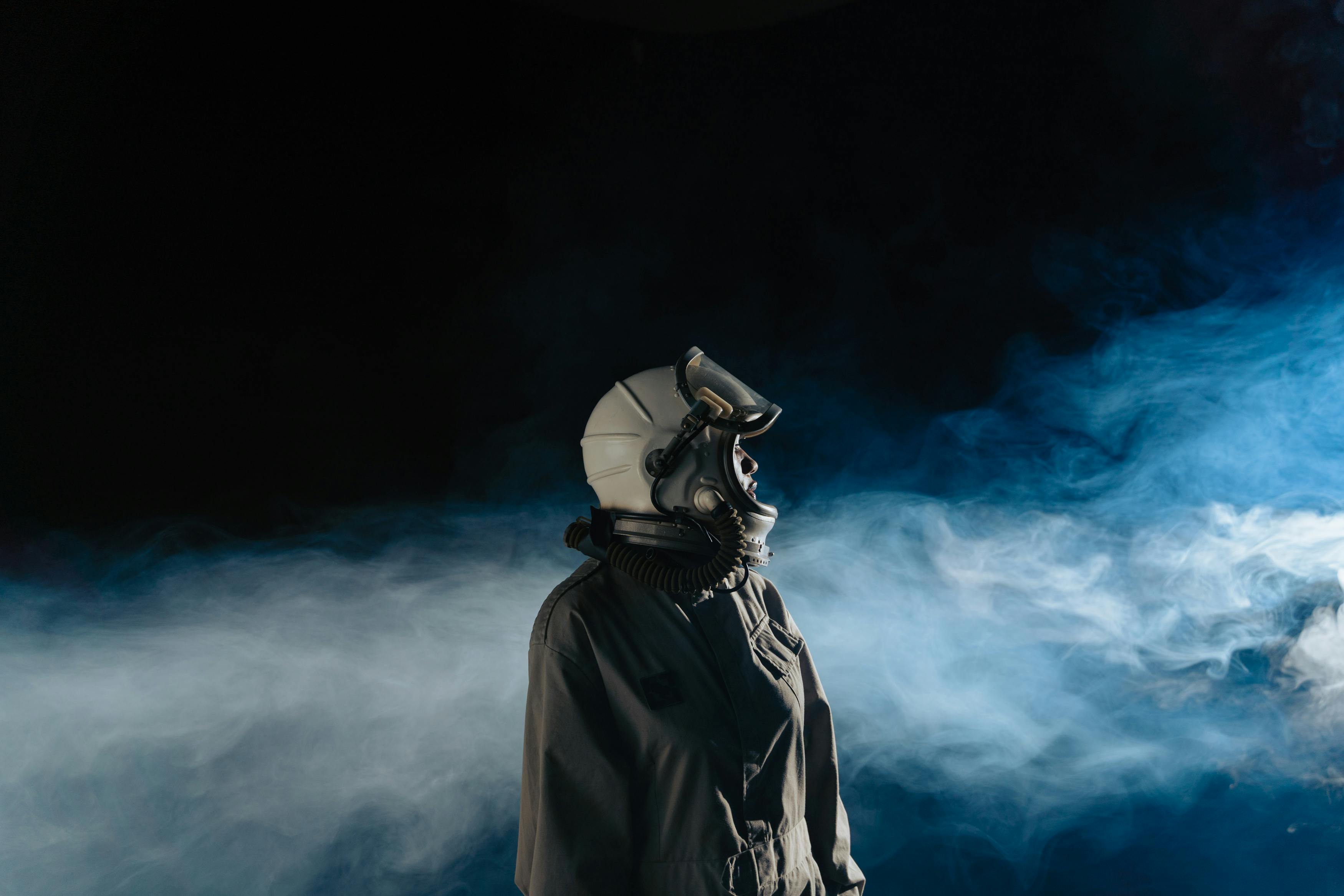
Post-production deepened the film’s visual complexity. We layered real optical distortions with custom shaders designed to mimic breathing patterns, giving certain reflections a subtle inhale-exhale rhythm. Even transitions were shaped around this principle—nothing cut abruptly; everything bent, softened, or dissolved as if carried by a pulse. The final sequence required over 120 hours of compositing to synchronize the visual rhythm with the sound design, making the imagery feel like an extension of the character’s inner world.
Ultimately, Glass Pulse became a meditation on perception—how the way we see things shapes the way we feel them. Behind every frame was a team working to translate emotional nuance into light, distortion, and motion. And when we stepped back at the end of the process, we realized the project had become more than a visual experiment. It was a reminder that when you let physical materials dictate part of the creative process, the result carries a truth that’s impossible to fabricate.
Currently Reading:
Behind the Scenes of Glass Pulse
07
07
07
Behind the Scenes of Glass Pulse
A look into the atmospheric, light-driven visual world behind our short film Glass Pulse, exploring how reflections, distortion, and motion shaped the narrative.
Author:
Adrian Wolfe
Date:
August 12, 2025
Read Time:
7min
Category:
Studio
When we began developing Glass Pulse, we knew the film needed to feel like a heartbeat translated through reflections—fragile, rhythmic, and constantly shifting. The piece follows a character wandering through mirrored environments, where every surface refracts fragments of their memories. To capture this sense of emotional disorientation, we built the film around the idea that the environment itself was alive, reacting to the protagonist as if sensing their internal tension. That meant designing visuals that behaved less like props and more like characters, bending, trembling, and pulsing with intention.
From the very first sketches, the focus was on distortion—how glass can reveal, conceal, or warp a moment depending on how light touches it. Instead of relying solely on digital effects, we constructed several physical glass panels and filmed them under controlled lighting conditions. These tactile distortions became the foundation for our visual language, giving the project a weight and imperfection that CGI alone couldn’t replicate. The interplay between the organic and the digital created a mood that felt both intimate and uncanny, a balance we worked tirelessly to maintain.
During production, lighting became our primary storytelling tool. We treated each scene like a moving sculpture, shaping beams, gradients, and reflections to guide emotion rather than attention. Subtle flickers hinted at unseen internal battles; soft, fractured highlights suggested fading memories; bright pulses symbolized fleeting clarity. Our cinematography team experimented with angles that allowed the glass to behave unpredictably, embracing accidents as creative breakthroughs. The more we surrendered control to the material, the more alive the visuals became.
Post-production deepened the film’s visual complexity. We layered real optical distortions with custom shaders designed to mimic breathing patterns, giving certain reflections a subtle inhale-exhale rhythm. Even transitions were shaped around this principle—nothing cut abruptly; everything bent, softened, or dissolved as if carried by a pulse. The final sequence required over 120 hours of compositing to synchronize the visual rhythm with the sound design, making the imagery feel like an extension of the character’s inner world.
Ultimately, Glass Pulse became a meditation on perception—how the way we see things shapes the way we feel them. Behind every frame was a team working to translate emotional nuance into light, distortion, and motion. And when we stepped back at the end of the process, we realized the project had become more than a visual experiment. It was a reminder that when you let physical materials dictate part of the creative process, the result carries a truth that’s impossible to fabricate.
Currently Reading:
Behind the Scenes of Glass Pulse
07
07
07
Behind the Scenes of Glass Pulse
A look into the atmospheric, light-driven visual world behind our short film Glass Pulse, exploring how reflections, distortion, and motion shaped the narrative.
Author:
Adrian Wolfe
Date:
August 12, 2025
Read Time:
7min
Category:
Studio
When we began developing Glass Pulse, we knew the film needed to feel like a heartbeat translated through reflections—fragile, rhythmic, and constantly shifting. The piece follows a character wandering through mirrored environments, where every surface refracts fragments of their memories. To capture this sense of emotional disorientation, we built the film around the idea that the environment itself was alive, reacting to the protagonist as if sensing their internal tension. That meant designing visuals that behaved less like props and more like characters, bending, trembling, and pulsing with intention.
From the very first sketches, the focus was on distortion—how glass can reveal, conceal, or warp a moment depending on how light touches it. Instead of relying solely on digital effects, we constructed several physical glass panels and filmed them under controlled lighting conditions. These tactile distortions became the foundation for our visual language, giving the project a weight and imperfection that CGI alone couldn’t replicate. The interplay between the organic and the digital created a mood that felt both intimate and uncanny, a balance we worked tirelessly to maintain.
During production, lighting became our primary storytelling tool. We treated each scene like a moving sculpture, shaping beams, gradients, and reflections to guide emotion rather than attention. Subtle flickers hinted at unseen internal battles; soft, fractured highlights suggested fading memories; bright pulses symbolized fleeting clarity. Our cinematography team experimented with angles that allowed the glass to behave unpredictably, embracing accidents as creative breakthroughs. The more we surrendered control to the material, the more alive the visuals became.
Post-production deepened the film’s visual complexity. We layered real optical distortions with custom shaders designed to mimic breathing patterns, giving certain reflections a subtle inhale-exhale rhythm. Even transitions were shaped around this principle—nothing cut abruptly; everything bent, softened, or dissolved as if carried by a pulse. The final sequence required over 120 hours of compositing to synchronize the visual rhythm with the sound design, making the imagery feel like an extension of the character’s inner world.
Ultimately, Glass Pulse became a meditation on perception—how the way we see things shapes the way we feel them. Behind every frame was a team working to translate emotional nuance into light, distortion, and motion. And when we stepped back at the end of the process, we realized the project had become more than a visual experiment. It was a reminder that when you let physical materials dictate part of the creative process, the result carries a truth that’s impossible to fabricate.