Currently Reading:
How Visual Language Shapes Storytelling
04
04
04
How Visual Language Shapes Storytelling
Exploring how composition, light, and design choices define the emotional resonance of modern campaigns.
Author:
Thomas Reid
Date:
April 8, 2025
Read Time:
7 min
Category:
Studio
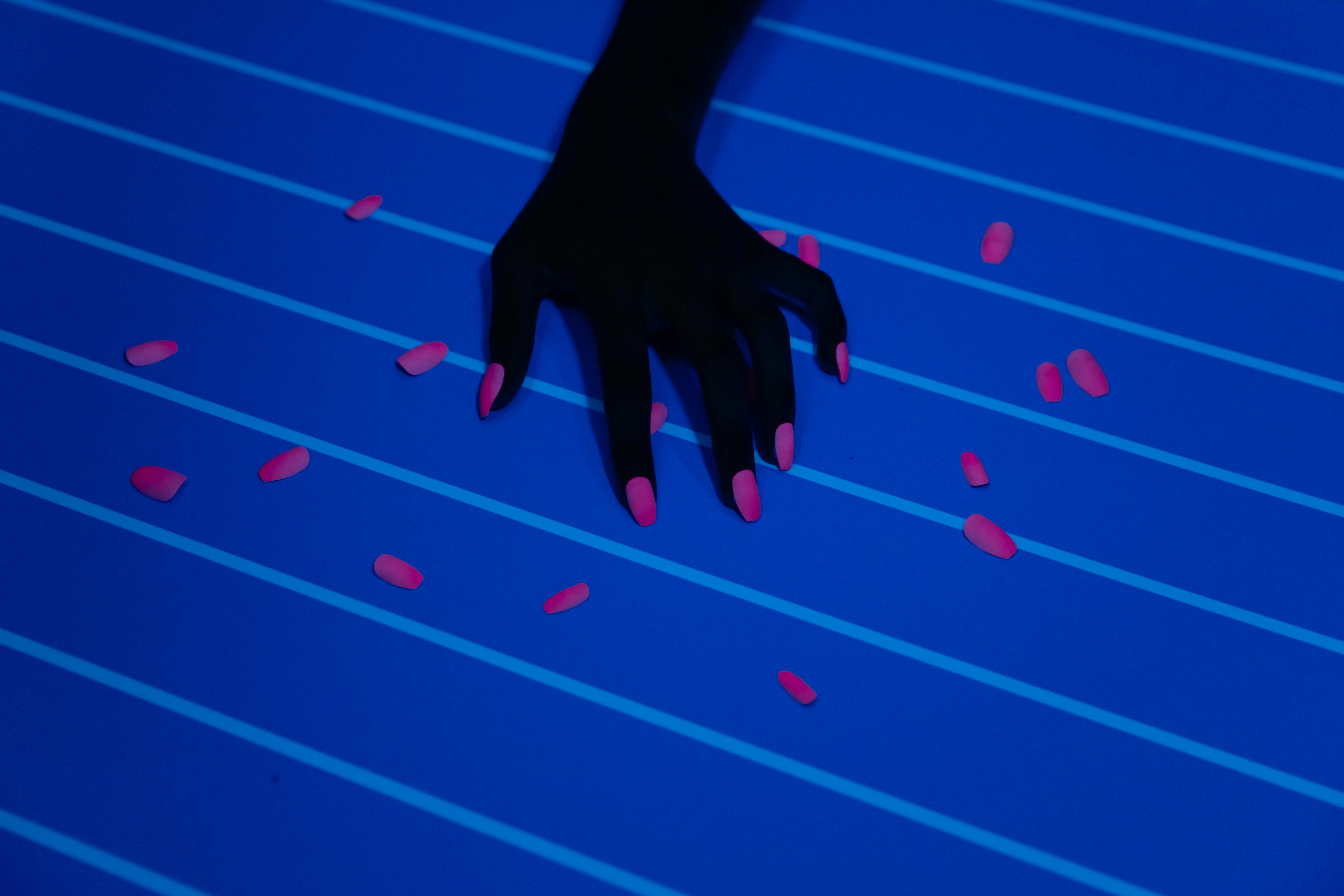
Before the first word is written or the first shot is framed, every film begins with a visual language. It’s the grammar of color, movement, and composition—the unspoken system that shapes how a story feels. At ORVANE, developing this language is one of the most essential and delicate parts of the creative process.
Visual language starts with intention. We ask: How should this story breathe? What does tension look like? Where does emotion sit in the frame? These questions guide our early experiments with palette, texture, and rhythm. Sometimes the answers come through sketches. Other times, through still photography or abstract color tests that resemble paintings more than pre-production boards.
Our cinematographers play a crucial role in shaping this language. They explore how different lenses affect intimacy, how shadows deepen character, and how motion can carry emotion without dialogue. Even the smallest visual decisions—a tilt, a handheld sway, a shift in focal length—transform how the audience perceives a moment.

In the edit suite, visual language becomes the foundation for pacing. The editor interprets the film’s visual grammar through cuts, allowing images to linger or collide depending on the narrative’s emotional arc. What might begin as a single stylistic choice becomes the heartbeat of the entire project.
Ultimately, visual language is what makes a story recognizable even when the viewer doesn’t know why. It’s the whisper beneath the plot, the tone beneath the performances, the invisible architecture holding the work together. At ORVANE, we treat visual language as both craft and instinct—something to be built consciously and felt intuitively. Because when images speak clearly, the story speaks even louder.
Currently Reading:
How Visual Language Shapes Storytelling
04
04
04
How Visual Language Shapes Storytelling
Exploring how composition, light, and design choices define the emotional resonance of modern campaigns.
Author:
Thomas Reid
Date:
April 8, 2025
Read Time:
7 min
Category:
Studio
Before the first word is written or the first shot is framed, every film begins with a visual language. It’s the grammar of color, movement, and composition—the unspoken system that shapes how a story feels. At ORVANE, developing this language is one of the most essential and delicate parts of the creative process.
Visual language starts with intention. We ask: How should this story breathe? What does tension look like? Where does emotion sit in the frame? These questions guide our early experiments with palette, texture, and rhythm. Sometimes the answers come through sketches. Other times, through still photography or abstract color tests that resemble paintings more than pre-production boards.
Our cinematographers play a crucial role in shaping this language. They explore how different lenses affect intimacy, how shadows deepen character, and how motion can carry emotion without dialogue. Even the smallest visual decisions—a tilt, a handheld sway, a shift in focal length—transform how the audience perceives a moment.
In the edit suite, visual language becomes the foundation for pacing. The editor interprets the film’s visual grammar through cuts, allowing images to linger or collide depending on the narrative’s emotional arc. What might begin as a single stylistic choice becomes the heartbeat of the entire project.
Ultimately, visual language is what makes a story recognizable even when the viewer doesn’t know why. It’s the whisper beneath the plot, the tone beneath the performances, the invisible architecture holding the work together. At ORVANE, we treat visual language as both craft and instinct—something to be built consciously and felt intuitively. Because when images speak clearly, the story speaks even louder.
Currently Reading:
How Visual Language Shapes Storytelling
04
04
04
How Visual Language Shapes Storytelling
Exploring how composition, light, and design choices define the emotional resonance of modern campaigns.
Author:
Thomas Reid
Date:
April 8, 2025
Read Time:
7 min
Category:
Studio
Before the first word is written or the first shot is framed, every film begins with a visual language. It’s the grammar of color, movement, and composition—the unspoken system that shapes how a story feels. At ORVANE, developing this language is one of the most essential and delicate parts of the creative process.
Visual language starts with intention. We ask: How should this story breathe? What does tension look like? Where does emotion sit in the frame? These questions guide our early experiments with palette, texture, and rhythm. Sometimes the answers come through sketches. Other times, through still photography or abstract color tests that resemble paintings more than pre-production boards.
Our cinematographers play a crucial role in shaping this language. They explore how different lenses affect intimacy, how shadows deepen character, and how motion can carry emotion without dialogue. Even the smallest visual decisions—a tilt, a handheld sway, a shift in focal length—transform how the audience perceives a moment.
In the edit suite, visual language becomes the foundation for pacing. The editor interprets the film’s visual grammar through cuts, allowing images to linger or collide depending on the narrative’s emotional arc. What might begin as a single stylistic choice becomes the heartbeat of the entire project.
Ultimately, visual language is what makes a story recognizable even when the viewer doesn’t know why. It’s the whisper beneath the plot, the tone beneath the performances, the invisible architecture holding the work together. At ORVANE, we treat visual language as both craft and instinct—something to be built consciously and felt intuitively. Because when images speak clearly, the story speaks even louder.