Currently Reading:
Inside the Making of Echoes of Blue
05
05
05
Inside the Making of Echoes of Blue
Discover how we crafted the surreal, water-inspired visual language behind Echoes of Blue, a film built from ripples, reflections, and drifting motion.
Author:
Leila Hart
Date:
October 3, 2025
Read Time:
6min
Category:
Studio
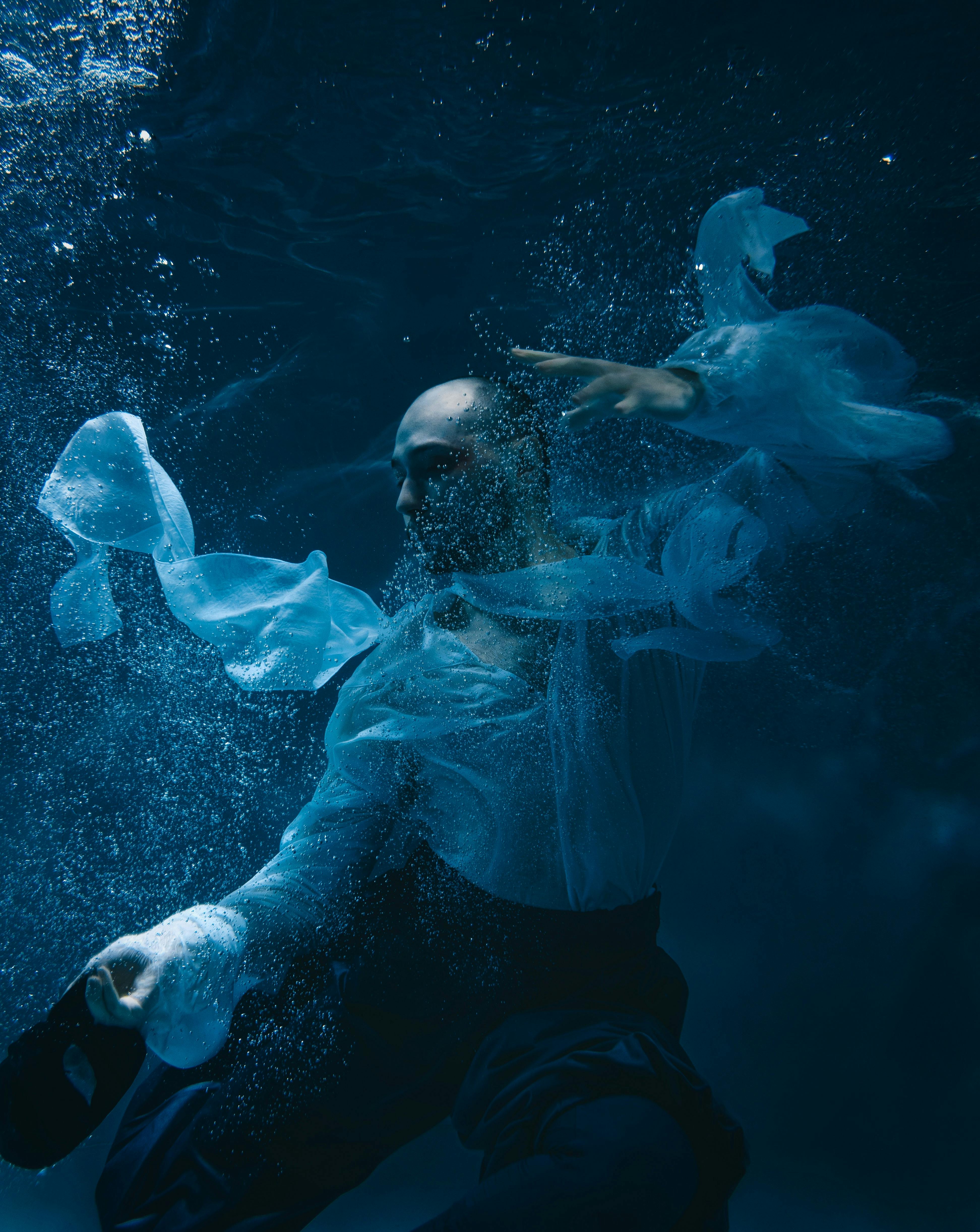
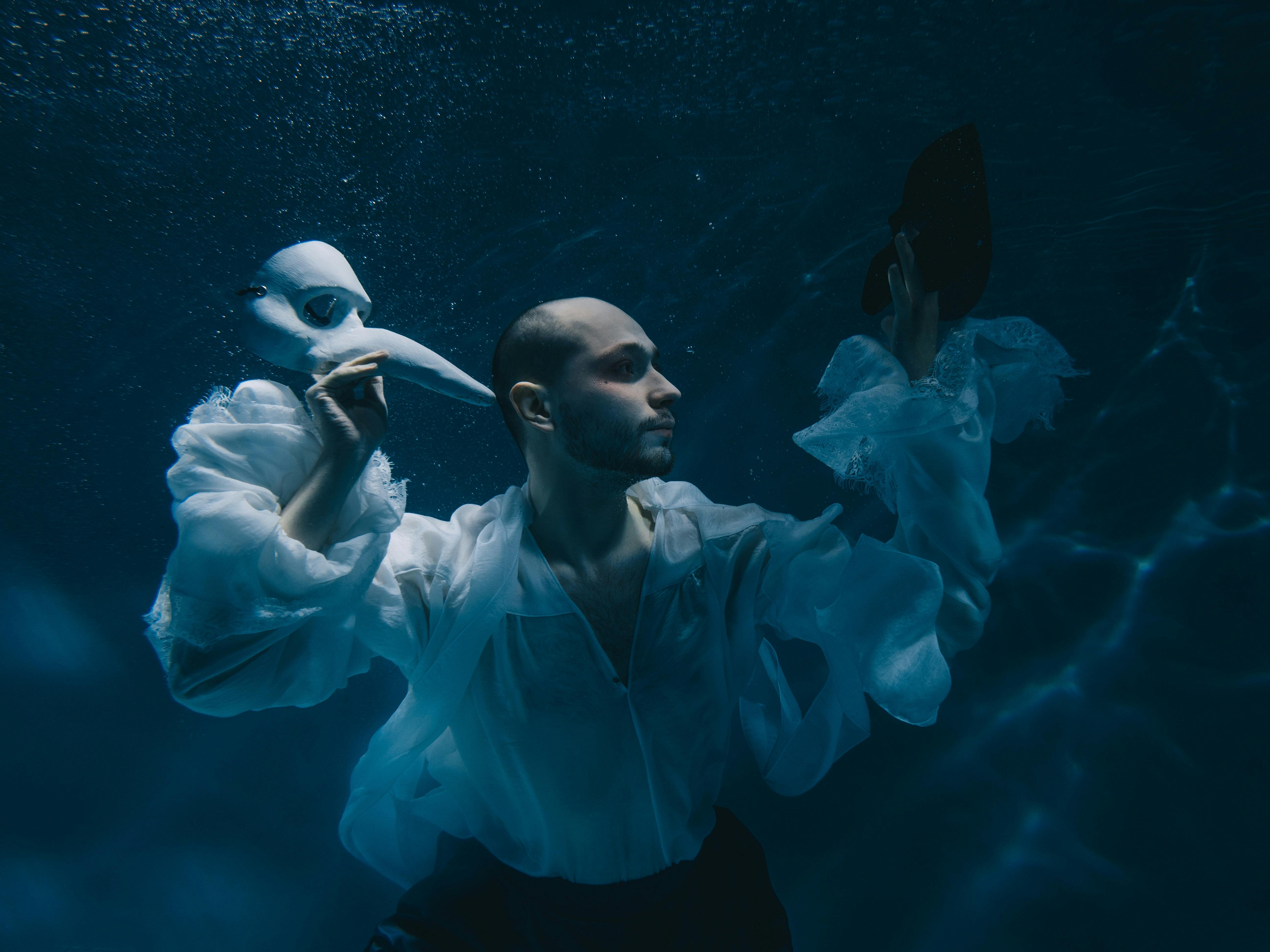
Echoes of Blue began as a question: How do you tell a story where water isn’t just an element, but a narrator? We envisioned a visual world shaped by drifting movement, soft erosion, and liquid memory—a place where the environment responded to emotion like a shifting tide. This concept became the backbone of the entire production, influencing everything from the choreography of the actors to the rhythm of our edits. The result was a film where visuals felt less like scenes and more like waves passing through the audience.
Our pre-production process revolved around studying fluid motion. Instead of using water as a literal presence, we mimicked its behavior through camera pacing, lighting, and layered motion effects. Long, drifting tracking shots created the sensation of floating. Slow gradients of light simulated the feeling of sinking or rising. Even the color palette—deep blues, silver highlights, and muted neutrals—was designed to evoke water without showing it directly. The intention wasn’t to visualize water, but to let its essence seep into every frame.
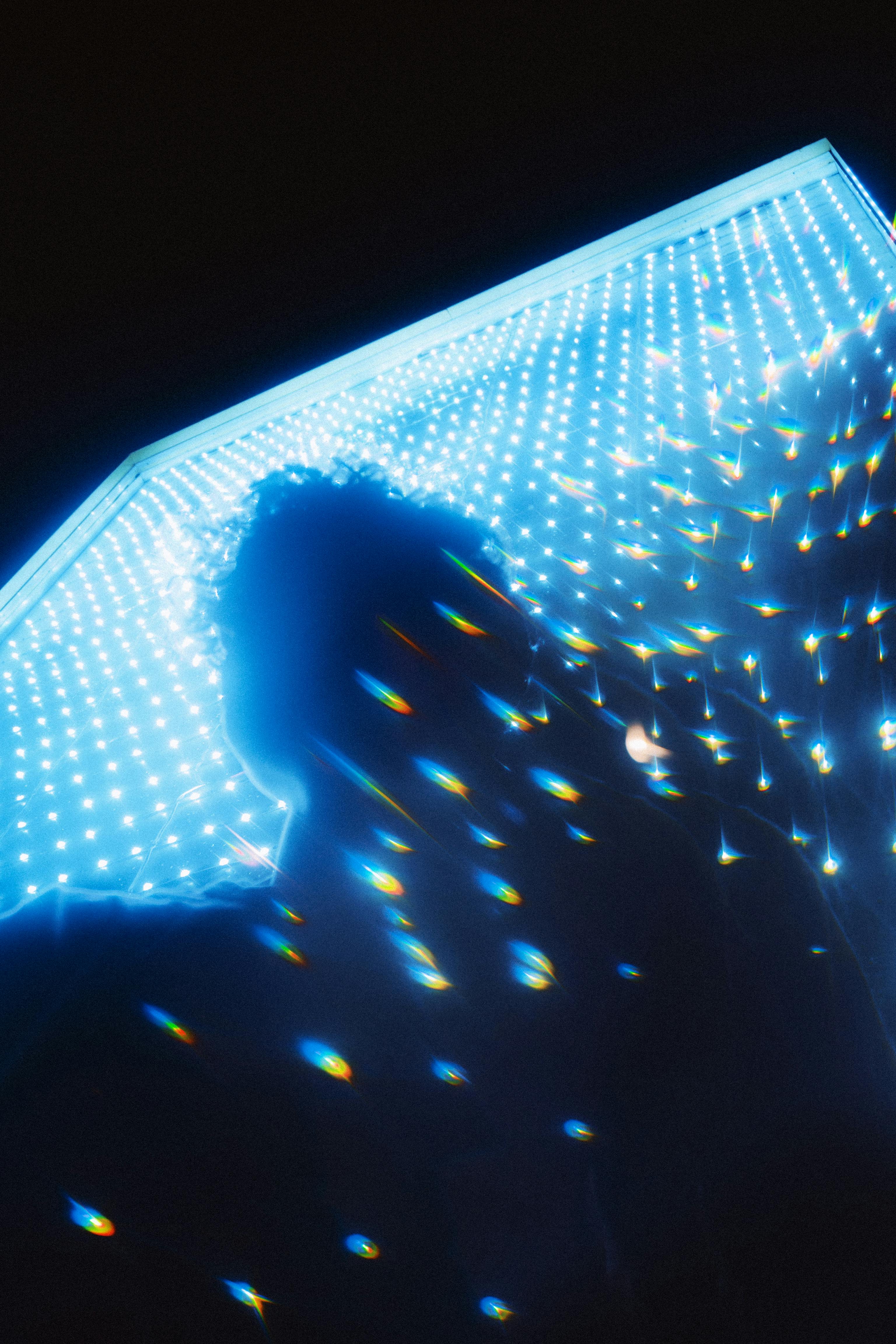
To achieve this, we constructed a series of semi-transparent screens and reflective surfaces that allowed light to scatter in unpredictable patterns. These surfaces became our “digital ocean,” bending light into organic shapes that resembled ripples, undertows, and shifting currents. Our camera team experimented with moving these surfaces during takes, creating kinetic distortions that couldn’t be replicated in post. Those imperfections—those soft, fleeting warps—became some of the most expressive elements in the entire film.
The edit was built like a tide cycle. Moments of stillness pulled the viewer in, followed by visual crescendos that surged forward with momentum. We spent weeks refining this cadence, ensuring that transitions felt fluid rather than abrupt. Our motion design team developed procedural animations inspired by sonar patterns and echo lines, layering them subtly into backgrounds and reflections. These tiny details weren’t meant to be noticed individually—they were designed to be felt, adding depth to the film’s emotional core.
In the final stages, sound design elevated the experience into something atmospheric and immersive. Without relying on literal water sounds, the audio moved with a tidal quality—expanding, contracting, softening, and rising in perfect synchronization with the visuals. It created a sense of being inside a living, breathing system, where every whisper of motion carried meaning. When the final frame faded, the entire piece felt like a conversation between imagery and emotion.
Echoes of Blue became one of our most meditative and fluid visual projects—a work shaped not by spectacle, but by sensitivity. Behind the scenes, every decision was guided by one intention: to create visuals that don’t just illustrate feeling, but remember it. And in doing so, the film became exactly what we hoped it would be—a quiet, drifting story that lingers long after its final echo.
Currently Reading:
Inside the Making of Echoes of Blue
05
05
05
Inside the Making of Echoes of Blue
Discover how we crafted the surreal, water-inspired visual language behind Echoes of Blue, a film built from ripples, reflections, and drifting motion.
Author:
Leila Hart
Date:
October 3, 2025
Read Time:
6min
Category:
Studio
Echoes of Blue began as a question: How do you tell a story where water isn’t just an element, but a narrator? We envisioned a visual world shaped by drifting movement, soft erosion, and liquid memory—a place where the environment responded to emotion like a shifting tide. This concept became the backbone of the entire production, influencing everything from the choreography of the actors to the rhythm of our edits. The result was a film where visuals felt less like scenes and more like waves passing through the audience.
Our pre-production process revolved around studying fluid motion. Instead of using water as a literal presence, we mimicked its behavior through camera pacing, lighting, and layered motion effects. Long, drifting tracking shots created the sensation of floating. Slow gradients of light simulated the feeling of sinking or rising. Even the color palette—deep blues, silver highlights, and muted neutrals—was designed to evoke water without showing it directly. The intention wasn’t to visualize water, but to let its essence seep into every frame.
To achieve this, we constructed a series of semi-transparent screens and reflective surfaces that allowed light to scatter in unpredictable patterns. These surfaces became our “digital ocean,” bending light into organic shapes that resembled ripples, undertows, and shifting currents. Our camera team experimented with moving these surfaces during takes, creating kinetic distortions that couldn’t be replicated in post. Those imperfections—those soft, fleeting warps—became some of the most expressive elements in the entire film.
The edit was built like a tide cycle. Moments of stillness pulled the viewer in, followed by visual crescendos that surged forward with momentum. We spent weeks refining this cadence, ensuring that transitions felt fluid rather than abrupt. Our motion design team developed procedural animations inspired by sonar patterns and echo lines, layering them subtly into backgrounds and reflections. These tiny details weren’t meant to be noticed individually—they were designed to be felt, adding depth to the film’s emotional core.
In the final stages, sound design elevated the experience into something atmospheric and immersive. Without relying on literal water sounds, the audio moved with a tidal quality—expanding, contracting, softening, and rising in perfect synchronization with the visuals. It created a sense of being inside a living, breathing system, where every whisper of motion carried meaning. When the final frame faded, the entire piece felt like a conversation between imagery and emotion.
Echoes of Blue became one of our most meditative and fluid visual projects—a work shaped not by spectacle, but by sensitivity. Behind the scenes, every decision was guided by one intention: to create visuals that don’t just illustrate feeling, but remember it. And in doing so, the film became exactly what we hoped it would be—a quiet, drifting story that lingers long after its final echo.
Currently Reading:
Inside the Making of Echoes of Blue
05
05
05
Inside the Making of Echoes of Blue
Discover how we crafted the surreal, water-inspired visual language behind Echoes of Blue, a film built from ripples, reflections, and drifting motion.
Author:
Leila Hart
Date:
October 3, 2025
Read Time:
6min
Category:
Studio
Echoes of Blue began as a question: How do you tell a story where water isn’t just an element, but a narrator? We envisioned a visual world shaped by drifting movement, soft erosion, and liquid memory—a place where the environment responded to emotion like a shifting tide. This concept became the backbone of the entire production, influencing everything from the choreography of the actors to the rhythm of our edits. The result was a film where visuals felt less like scenes and more like waves passing through the audience.
Our pre-production process revolved around studying fluid motion. Instead of using water as a literal presence, we mimicked its behavior through camera pacing, lighting, and layered motion effects. Long, drifting tracking shots created the sensation of floating. Slow gradients of light simulated the feeling of sinking or rising. Even the color palette—deep blues, silver highlights, and muted neutrals—was designed to evoke water without showing it directly. The intention wasn’t to visualize water, but to let its essence seep into every frame.
To achieve this, we constructed a series of semi-transparent screens and reflective surfaces that allowed light to scatter in unpredictable patterns. These surfaces became our “digital ocean,” bending light into organic shapes that resembled ripples, undertows, and shifting currents. Our camera team experimented with moving these surfaces during takes, creating kinetic distortions that couldn’t be replicated in post. Those imperfections—those soft, fleeting warps—became some of the most expressive elements in the entire film.
The edit was built like a tide cycle. Moments of stillness pulled the viewer in, followed by visual crescendos that surged forward with momentum. We spent weeks refining this cadence, ensuring that transitions felt fluid rather than abrupt. Our motion design team developed procedural animations inspired by sonar patterns and echo lines, layering them subtly into backgrounds and reflections. These tiny details weren’t meant to be noticed individually—they were designed to be felt, adding depth to the film’s emotional core.
In the final stages, sound design elevated the experience into something atmospheric and immersive. Without relying on literal water sounds, the audio moved with a tidal quality—expanding, contracting, softening, and rising in perfect synchronization with the visuals. It created a sense of being inside a living, breathing system, where every whisper of motion carried meaning. When the final frame faded, the entire piece felt like a conversation between imagery and emotion.
Echoes of Blue became one of our most meditative and fluid visual projects—a work shaped not by spectacle, but by sensitivity. Behind the scenes, every decision was guided by one intention: to create visuals that don’t just illustrate feeling, but remember it. And in doing so, the film became exactly what we hoped it would be—a quiet, drifting story that lingers long after its final echo.